Global warming’s potential impacts on Pennsylvania, the nation and the world are expected to be destructive and far-reaching. In Pennsylvania, global warming could mean more heat-related deaths, more extreme weather like the floods, droughts and severe winter storms we’ve experienced in recent years, and severe damage to fishing streams throughout the state.

America’s third-biggest global warming polluter

To make matters worse, Pennsylvania is a huge source of the problem. Pennsylvania ranks third in the nation for its global warming pollution, only behind California and Texas. This is due to our large fleet of dirty coal-fired power plants, and sprawling development that requires extensive driving from place to place.

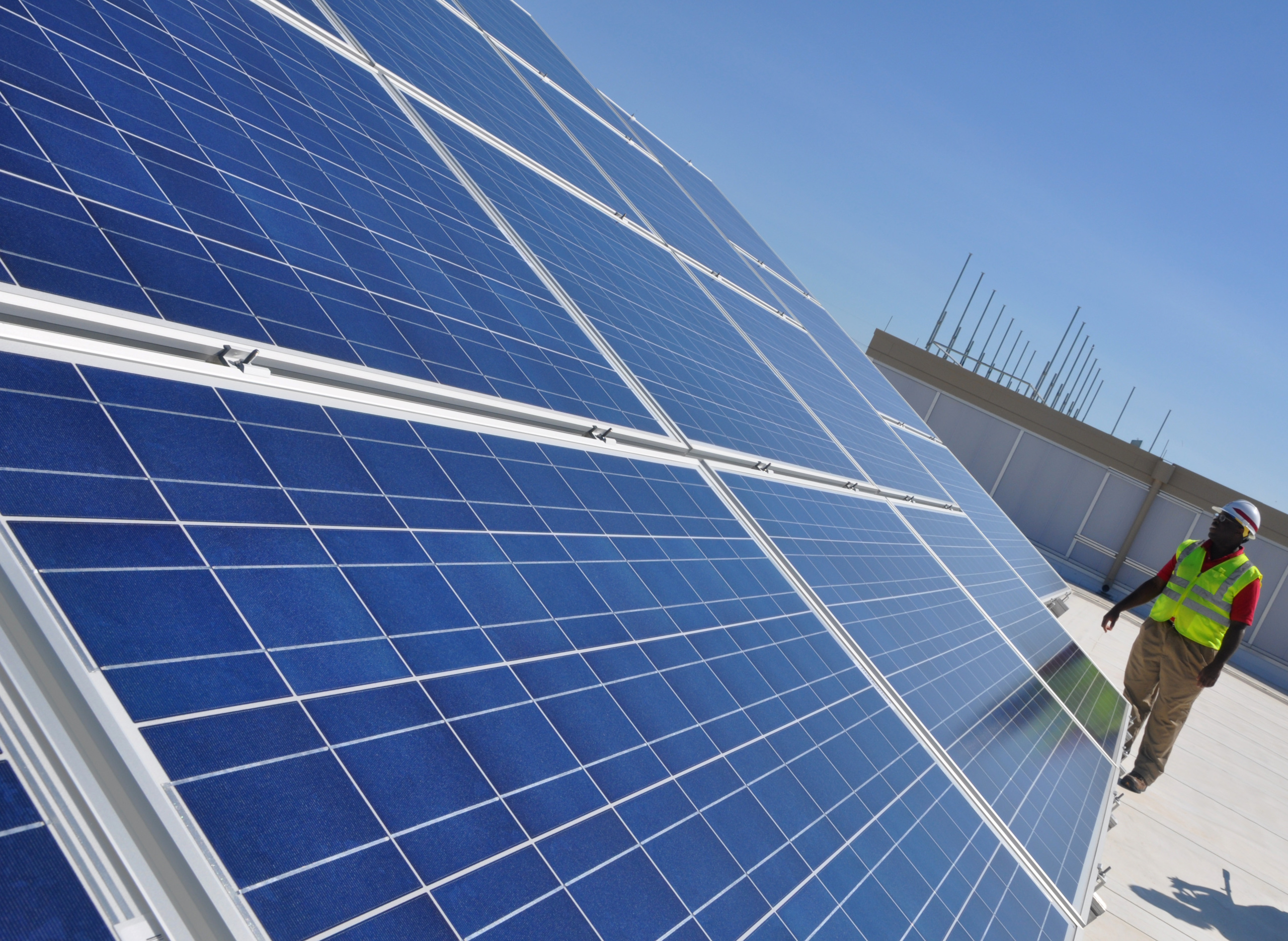
Luckily, there are simple, commonsense clean energy solutions at our fingertips that will help us to tackle this profound problem before it’s too late. This will allow us to sharply reduce our global warming pollution in Pennsylvania, while repowering our economy with clean energy jobs.

From green buildings to clean cars, solutions are at hand

Now, we need to put these solutions to work.

PennEnvironment is working at the state and national level to implement these solutions. Working side by side with our citizen members and activists, PennEnvironment’s staff are working to make sure that we can tackle climate change. 

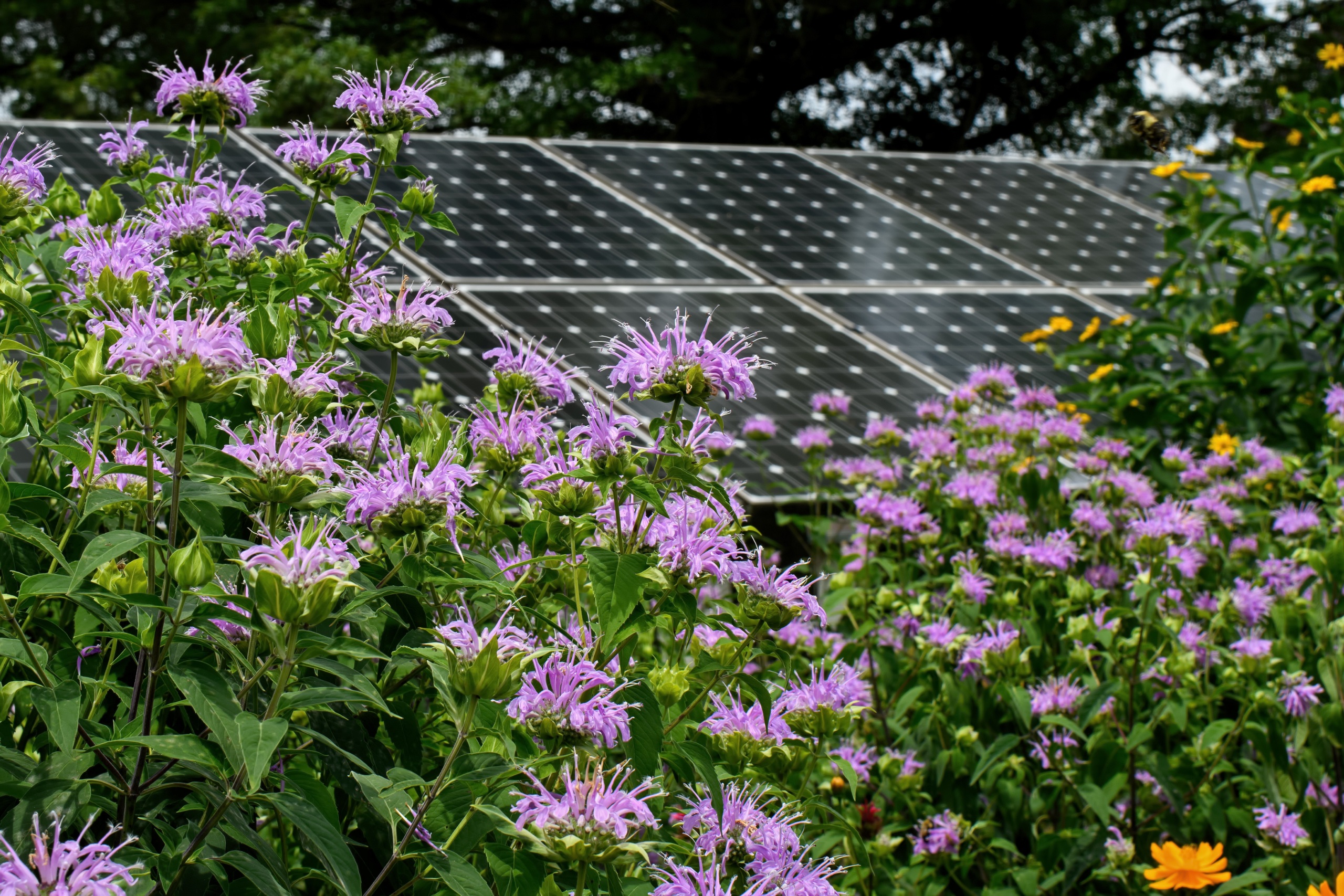
From advocating for new policies that will promote green building technology, wind and solar power, and cleaner cars, to requiring the biggest polluters to clean up their acts, we can tackle global warming head-on and win.


Global Warming Updates

News Release | PennEnvironment Research & Policy Center

Almost 9 out of 10 Pennsylvanians Live in Areas Hit by Recent Weather Disasters; New Report Says Global Warming to Bring More Extreme Weather

Six months after Hurricane Sandy led to fourteen deaths in Pennsylvania, a new PennEnvironment Research & Policy Center report finds that weather-related disasters are already affecting hundreds of millions of Americans, and documents how global warming could lead to certain extreme weather events becoming even more common or more severe in the future.

> Keep Reading
News Release | PennEnvironment

"Fossil Fools" rally highlights Rep. Murphy’s foolish voting record on public health

Activists rallied in front of Congressman Tim Murphy’s office in Mount Lebanon today calling on him to better protect public health and end his foolish ties to the dirty coal industry. He has repeatedly voted against policies that would limit harmful air pollution from sources like coal plants, although his district suffers from some of the worst air pollution in the nation. Both Allegheny and Westmoreland counties have failing or near failing air quality, exceeding safe levels of soot and smog that can cause lung disease, heart attacks and severe asthma attacks. In fact, right outside his office, a full twelve percent of students in the Mount Lebanon school district suffer from asthma.

> Keep Reading
News Release | PennEnvironment

100 day anniversary of Superstorm Sandy marked with day of action on climate change

As communities throughout the East Coast are still struggling to rebuild 100 days after Superstorm Sandy slammed the Mid-Atlantic, PennEnvironment urged state and federal officials to redouble their efforts to tackle climate change. Scientists have warned that climate change is helping to fuel the recent increase in extreme weather, and will make events like Superstorm Sandy, and last summer’s record drought, more severe and more frequent unless more is done to limit the carbon pollution fueling climate change.

> Keep Reading
News Release | PennEnvironment Research & Policy Center

Obama Administration Finalizes Historic Clean Cars Standards

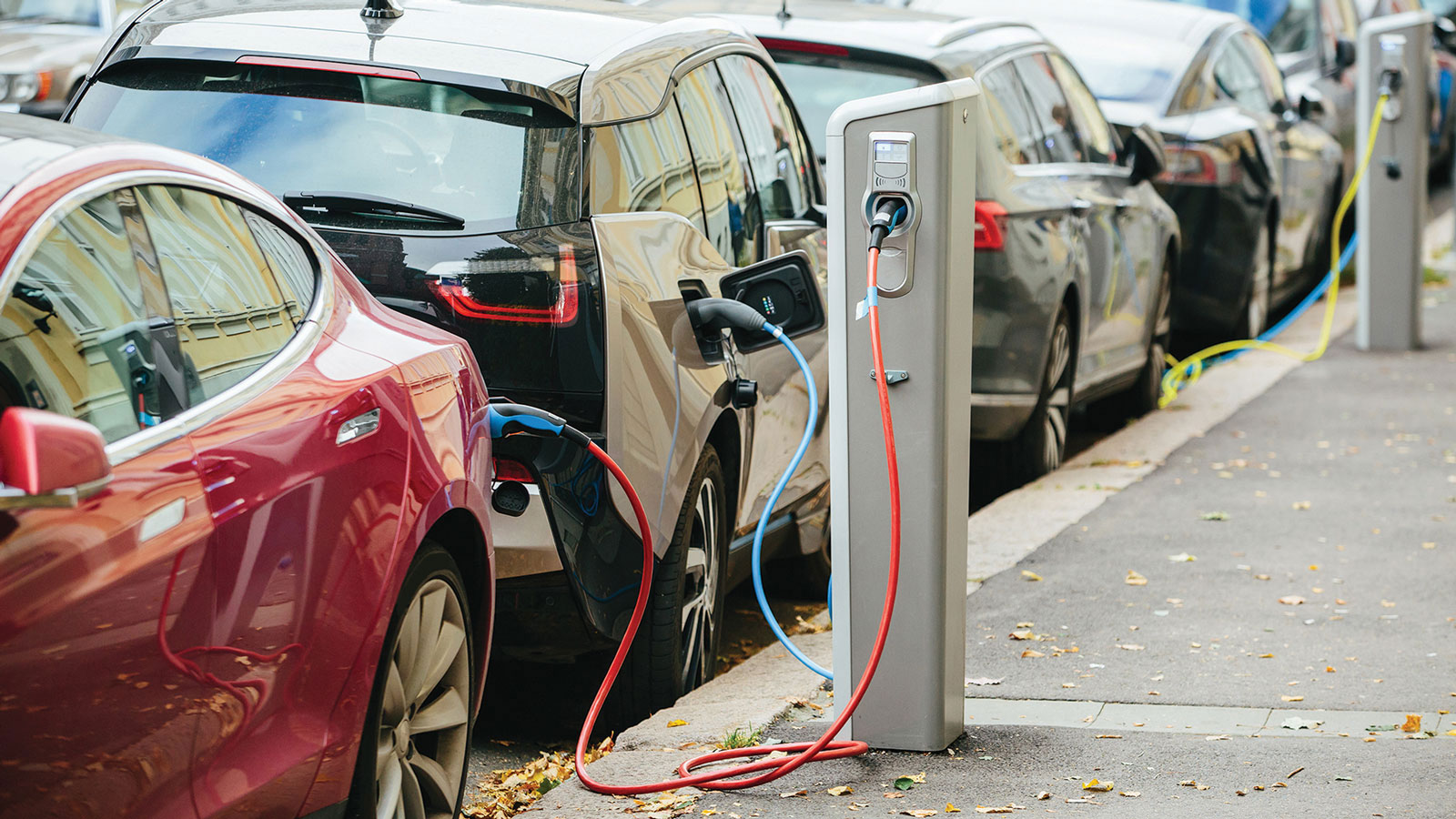
Today the Obama administration finalized new clean car standards that will double the fuel efficiency of today’s vehicles by 2025, drastically reducing emissions of carbon pollution and cutting oil use in Pennsylvania and nationwide.  A recent joint analysis by the Natural Resources Defense Council and Union of Concerned Scientists projects that by 2030 in Pennsylvania alone, the standards will cut carbon pollution from vehicles by 8.4 million metric tons—the equivalent of the annual pollution of 1,285, of today’s vehicles—and save 720 million gallons of fuel. 

> Keep Reading
News Release | PennEnvironment Research & Policy Center

New Report: Extreme Downpours and Snowstorms Up 52% Percent in Pennsylvania

Ten months after Tropical Storm Lee led to record flooding that devastated the Susquehanna Valley, a new PennEnvironment Research & Policy Center report confirms that extreme rainstorms and snowstorms are happening 52 percent more frequently in Pennsylvania since 1948. Based on an analysis of state data from the National Climatic Data Center, the new report found that heavy downpours or snowstorms that used to happen once every 12 months on average in the state now happen every 7.9 months on average.  Moreover, the biggest storms are getting bigger.  The largest annual storms in Pennsylvania now produce 23 percent more precipitation, on average, than they did 65 years ago.

> Keep Reading

Pages

View AllRSS Feed